New research facilities at the Politecnico di Milano

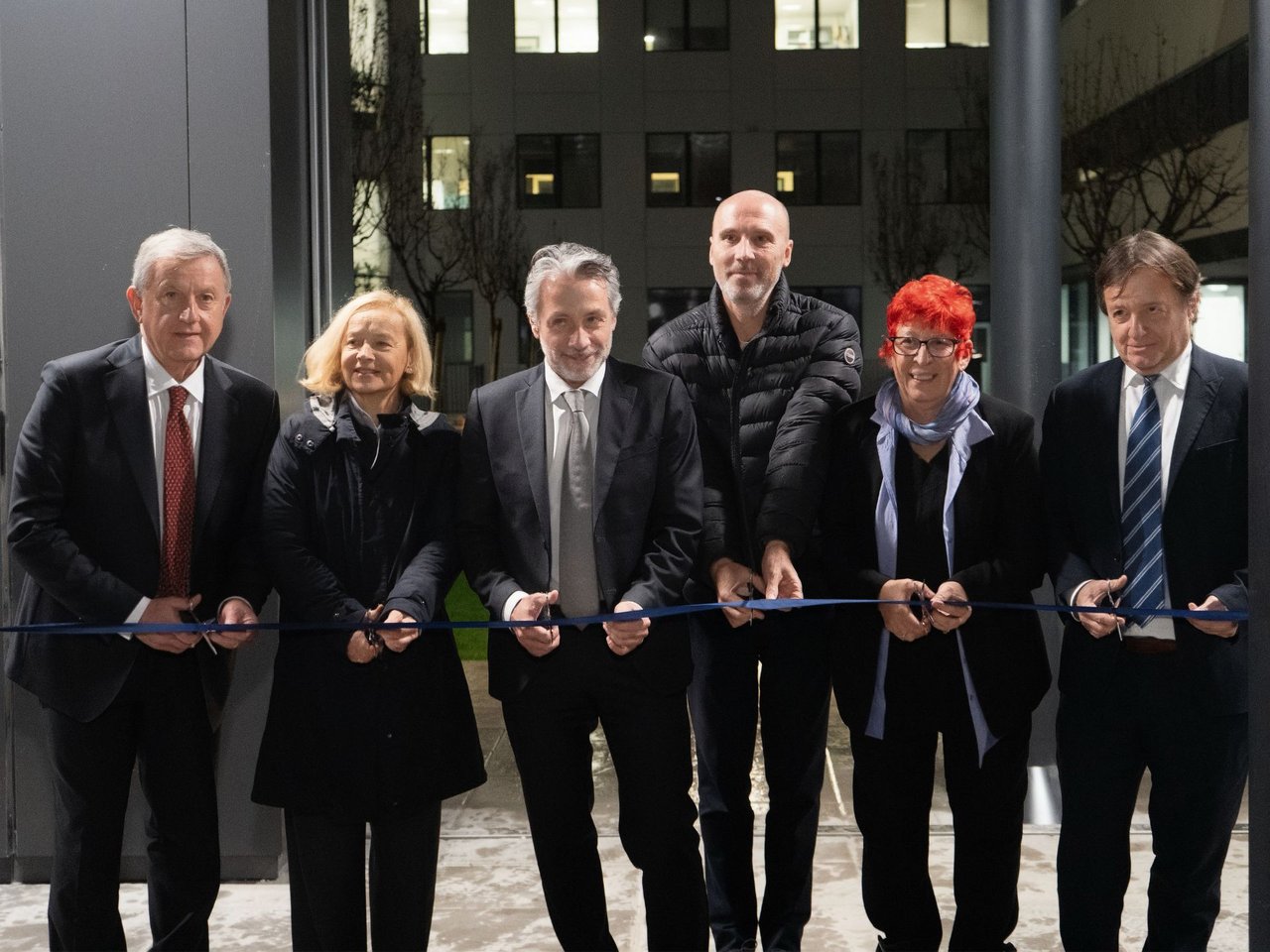
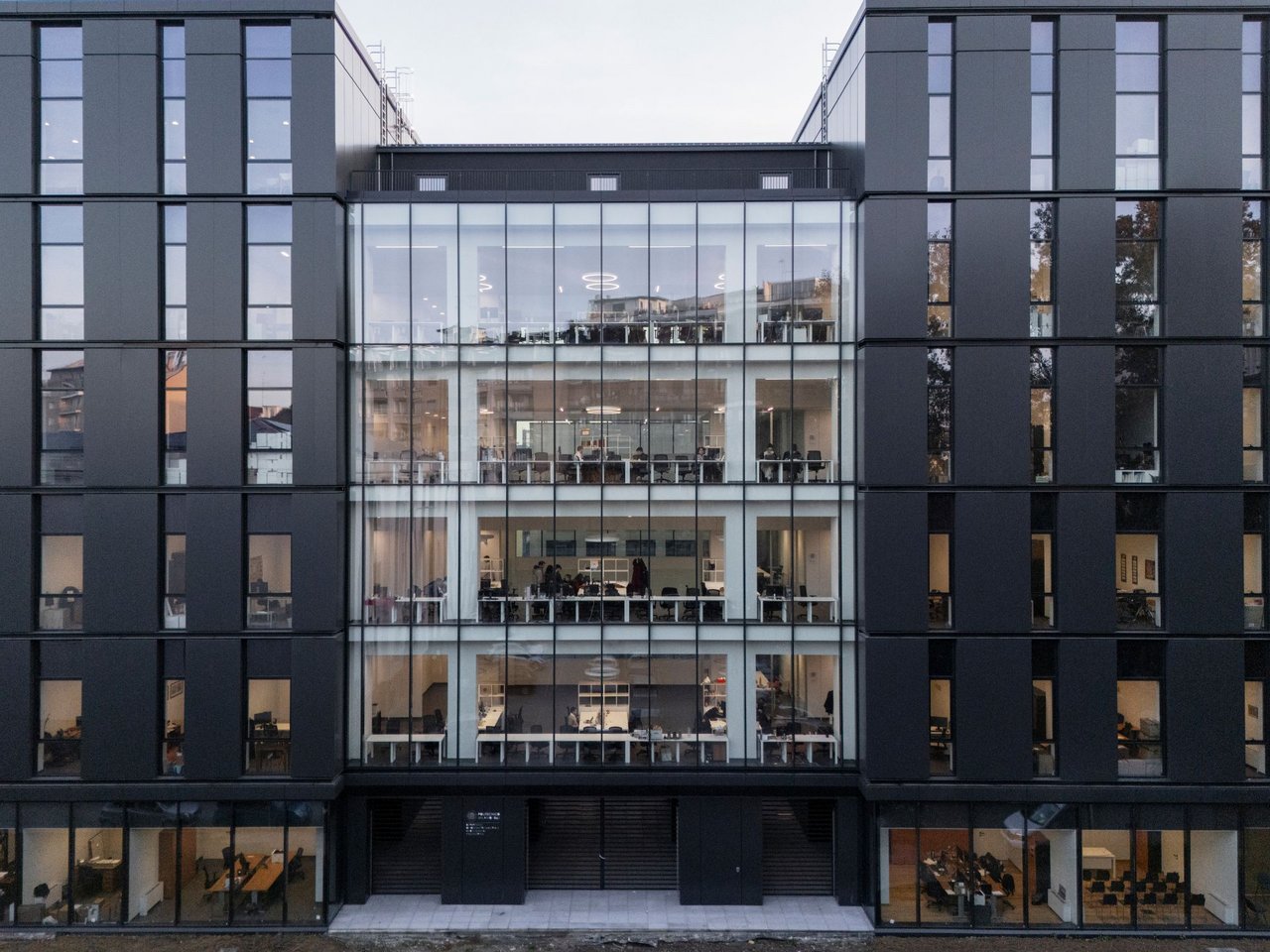
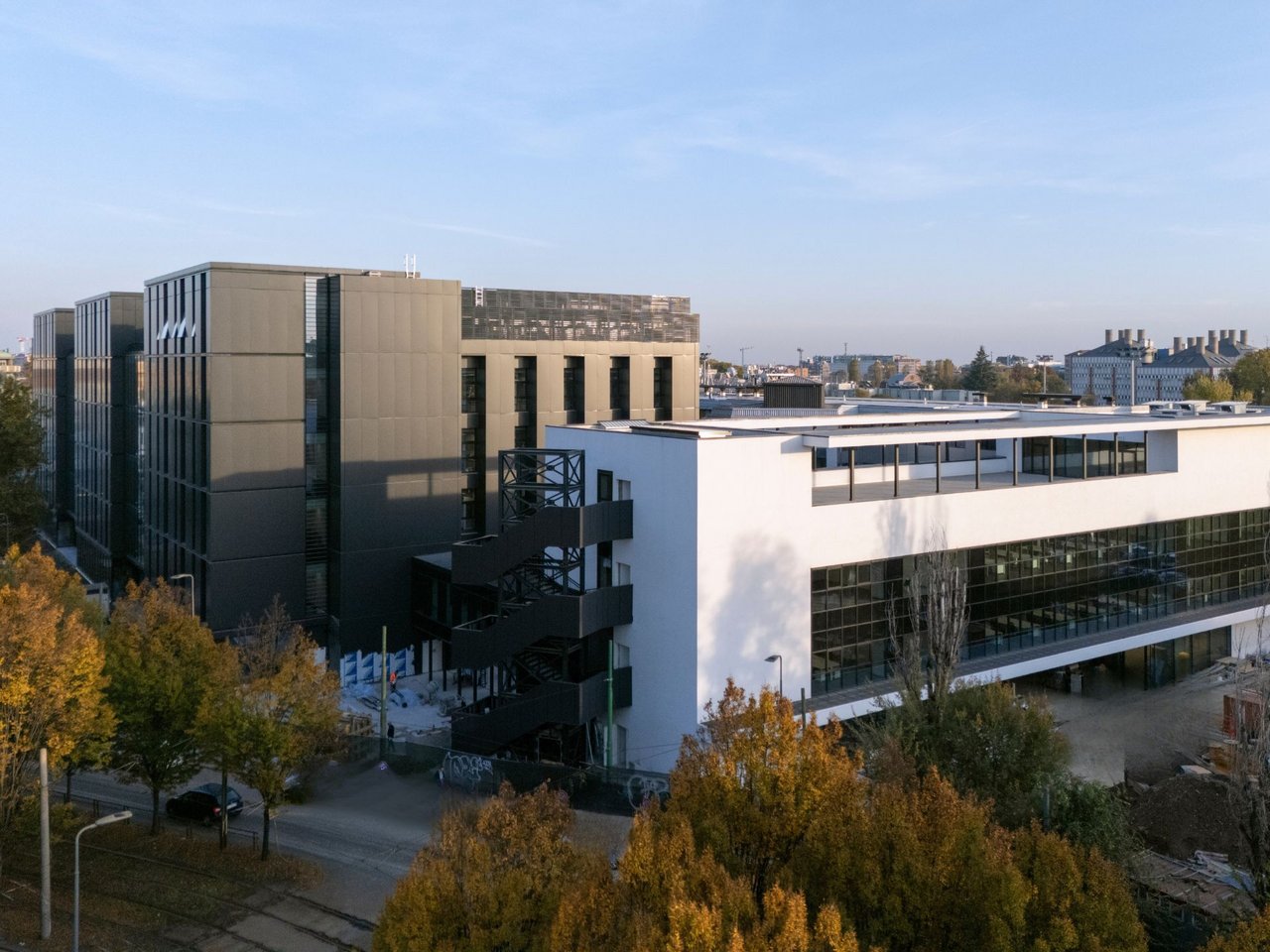
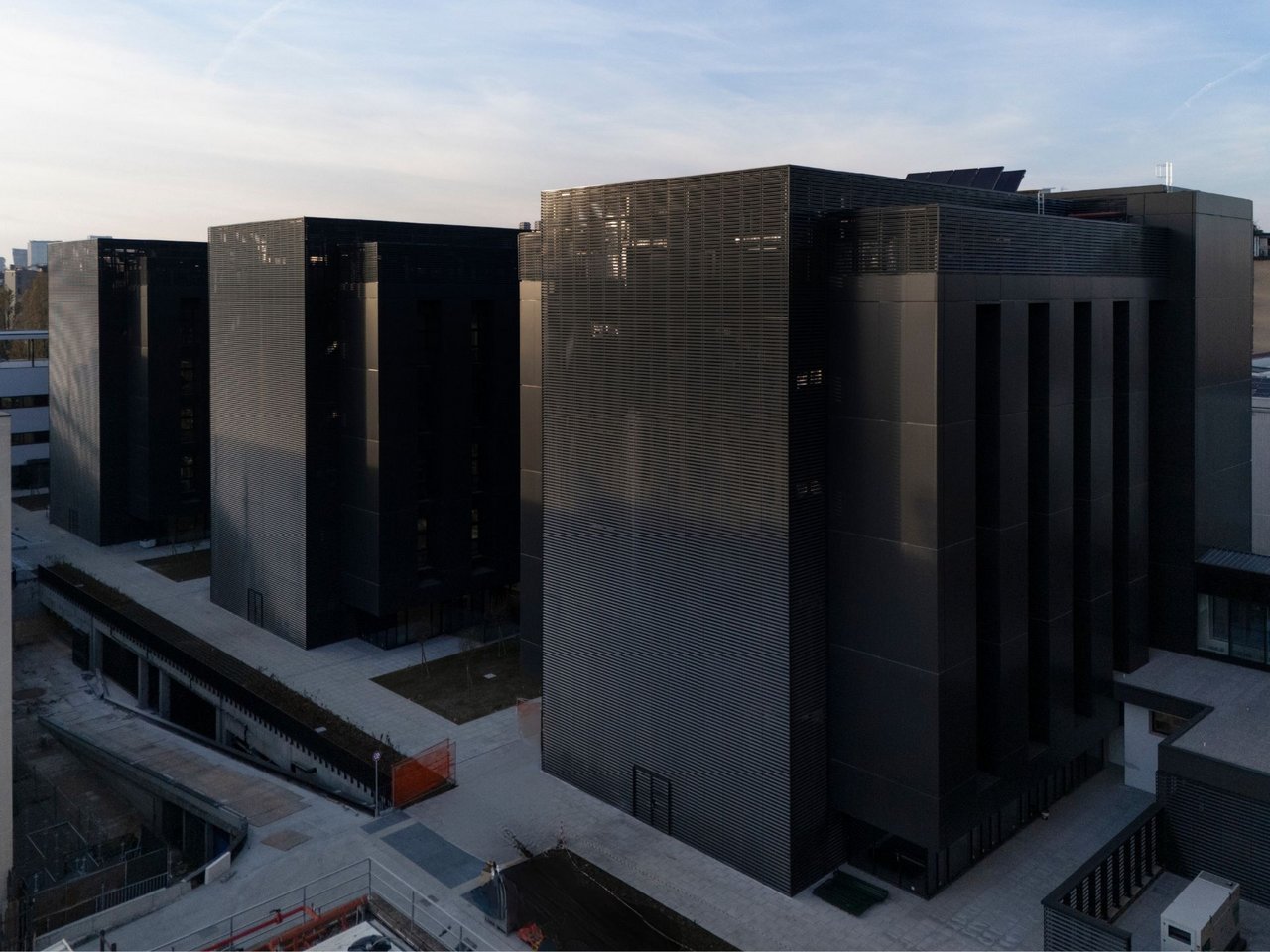
Two new buildings have been inaugurated at the Leonardo Campus, which will house the Department of Chemistry, Materials and Chemical Engineering “Giulio Natta” (DCMIC) and the Department of Electronics, Information and Bioengineering (DEIB) of the Politecnico di Milano.
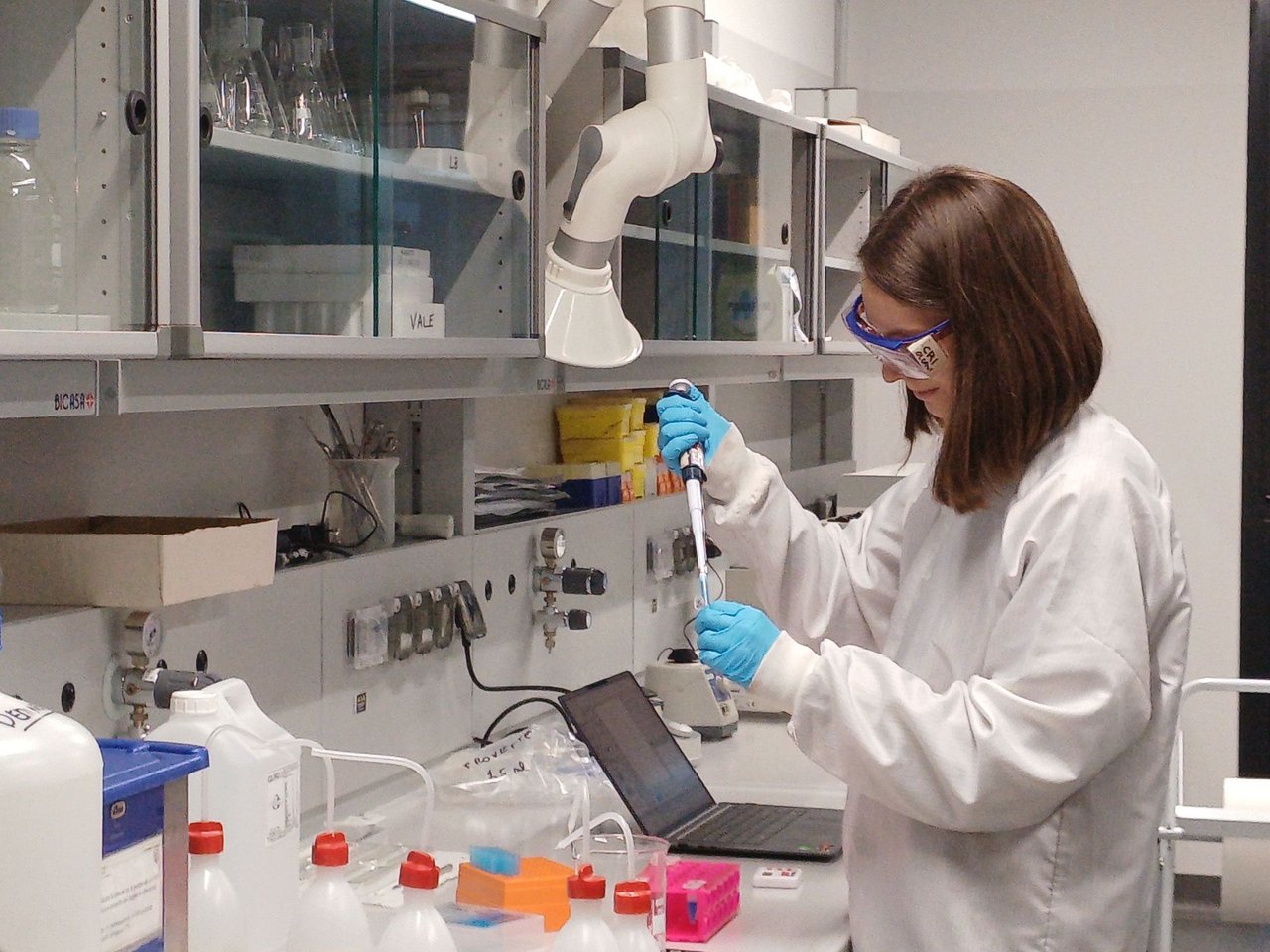
The two buildings will meet the renewed technological and space requirements for research and study, with a total of 24,000 square metres of floor area and over 4,000 square metres of outdoor space, of which over 4,600 square metres are reserved entirely for laboratories with state-of-the-art equipment.
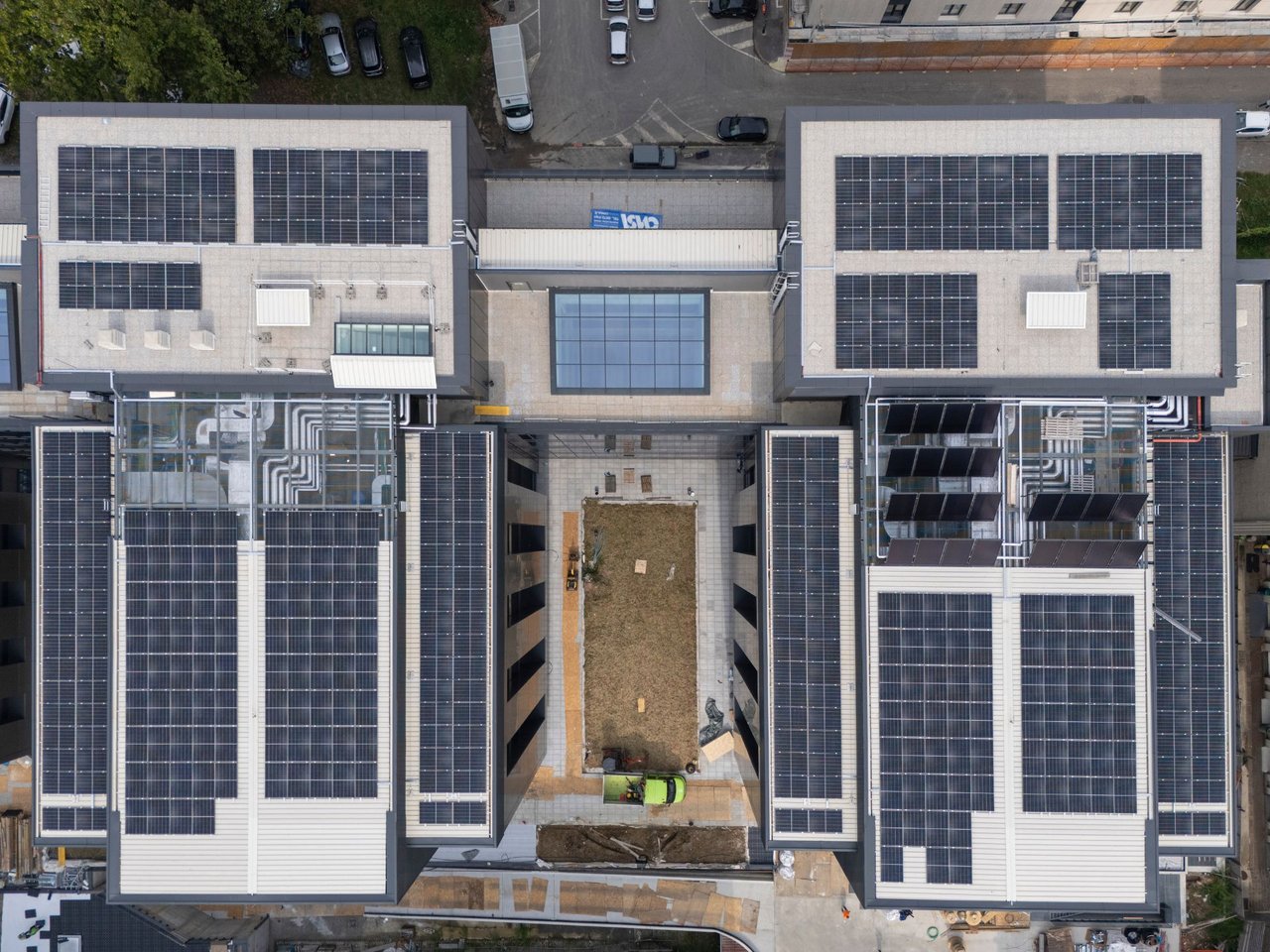
Photovoltaic panels have been installed on the roofs to power a 270 kW peak system, and a solar thermal system for hot water production. With a view to reducing energy consumption and CO2 emissions, air conditioning is supplied by the Polo Città Studi trigeneration plant, integrated for high load requirements by electric groundwater heat pumps. In addition, heat recovery from the air extracted from the hoods inside the laboratories and the use of a closed-loop cooling circuit for the equipment will reduce energy waste.
These new buildings represent much more than an infrastructure expansion: they are the symbol of a university that invests in research as a strategic asset. Here, chemistry and digital technology coexist, called upon to tackle major challenges such as the green transition and new materials, technological security and artificial intelligence. In these spaces, with state-of-the-art laboratories and facilities, we create the conditions to attract talent, develop partnerships with businesses and contribute to the country's competitiveness.
Donatella Sciuto, Rector of the Politecnico di Milano
Building for the Department of Chemistry, Materials and Chemical Engineering “Giulio Natta”
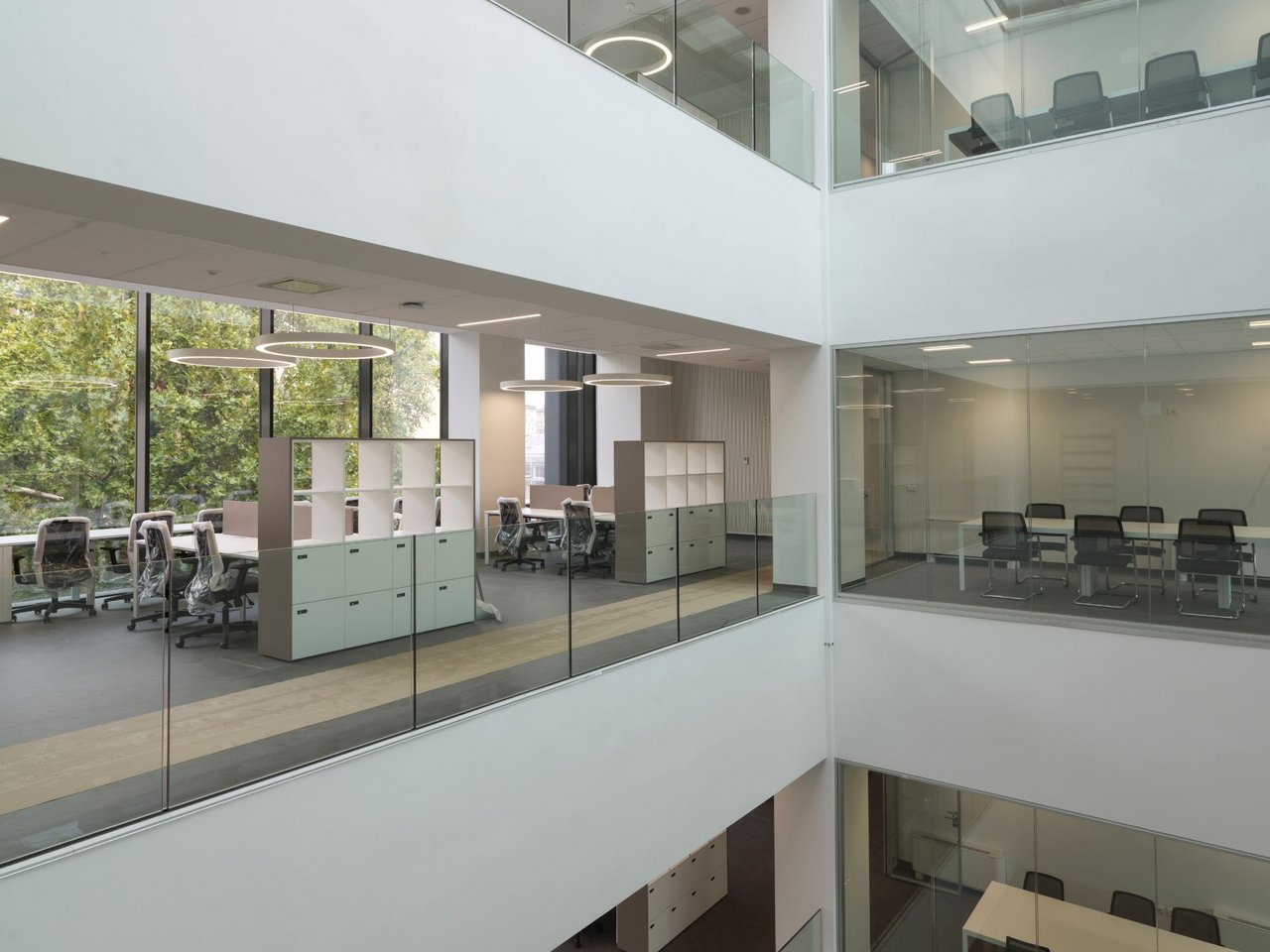
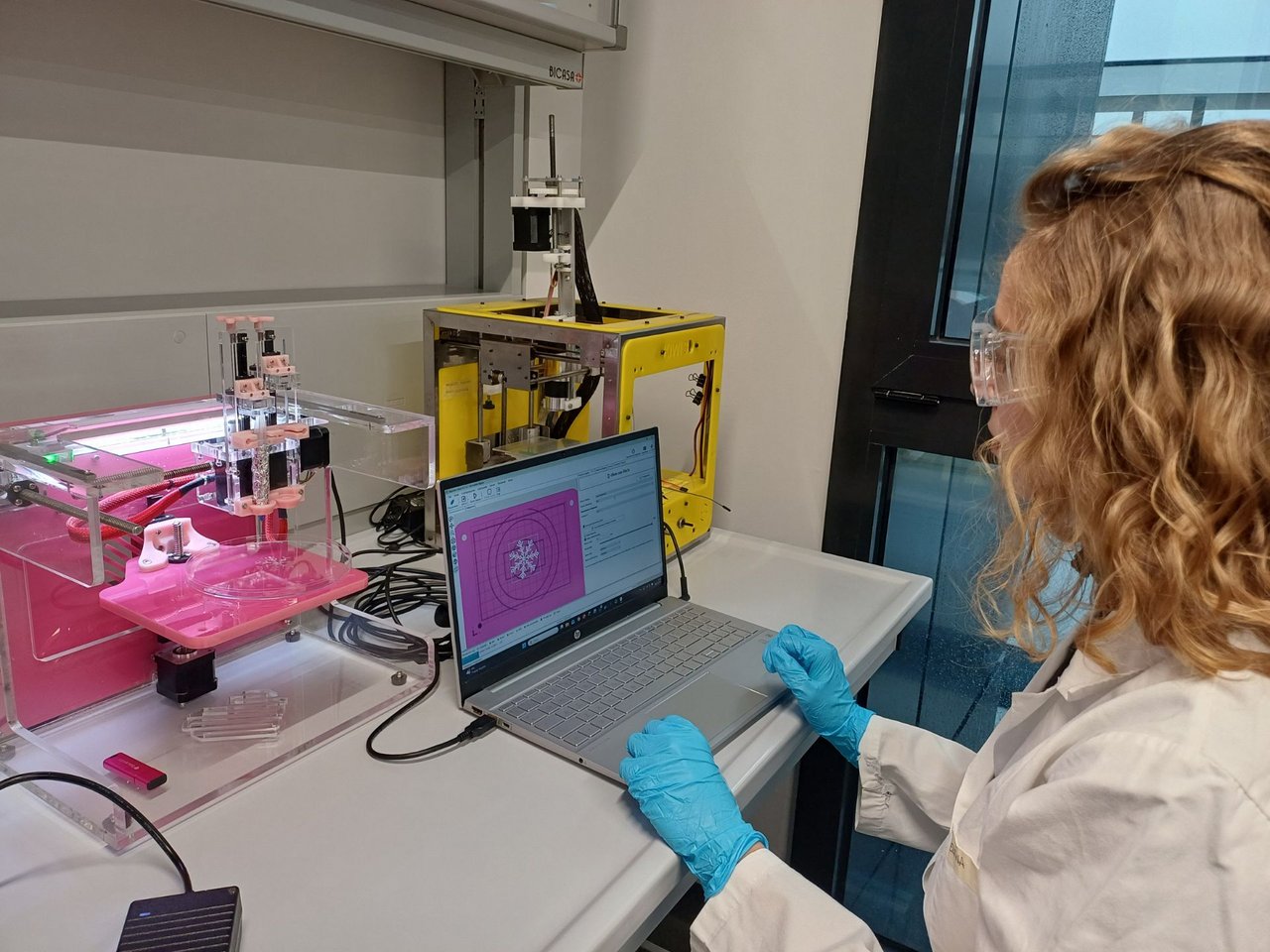
The new DCMIC headquarters will completely replace the Via Mancinelli premises, which are being decommissioned. The clear separation of spaces between the areas dedicated to the 88 laboratories and the office areas will ensure safety and optimal health and safety conditions for users. Most of the laboratories are located between the first and fourth of the building's six floors and will be used by the department's Chemistry, Chemical Engineering, Materials Science and Engineering sections. They will mainly be used for synthesis, materials processing and analysis using chromatography, extraction and separation techniques.
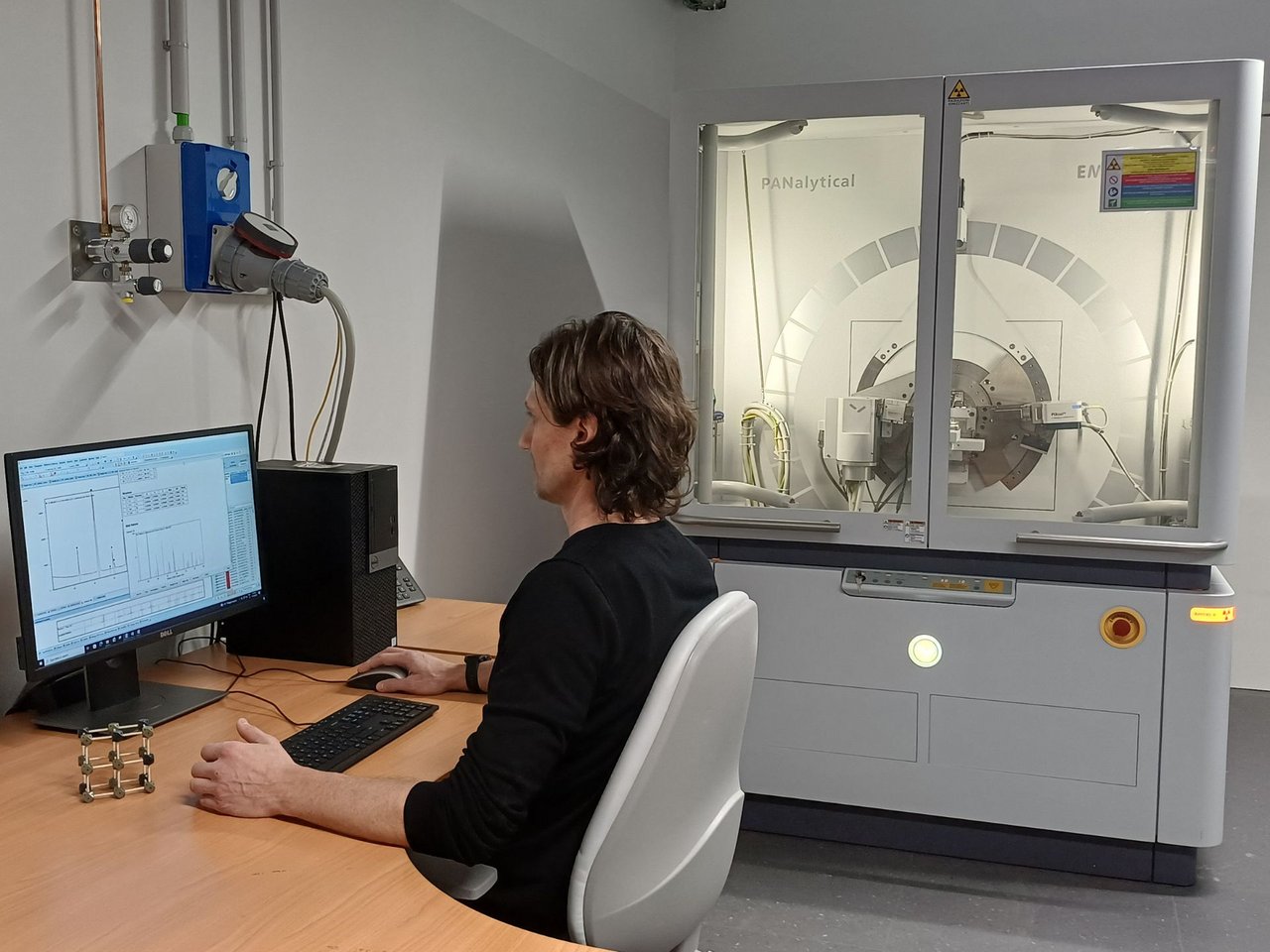
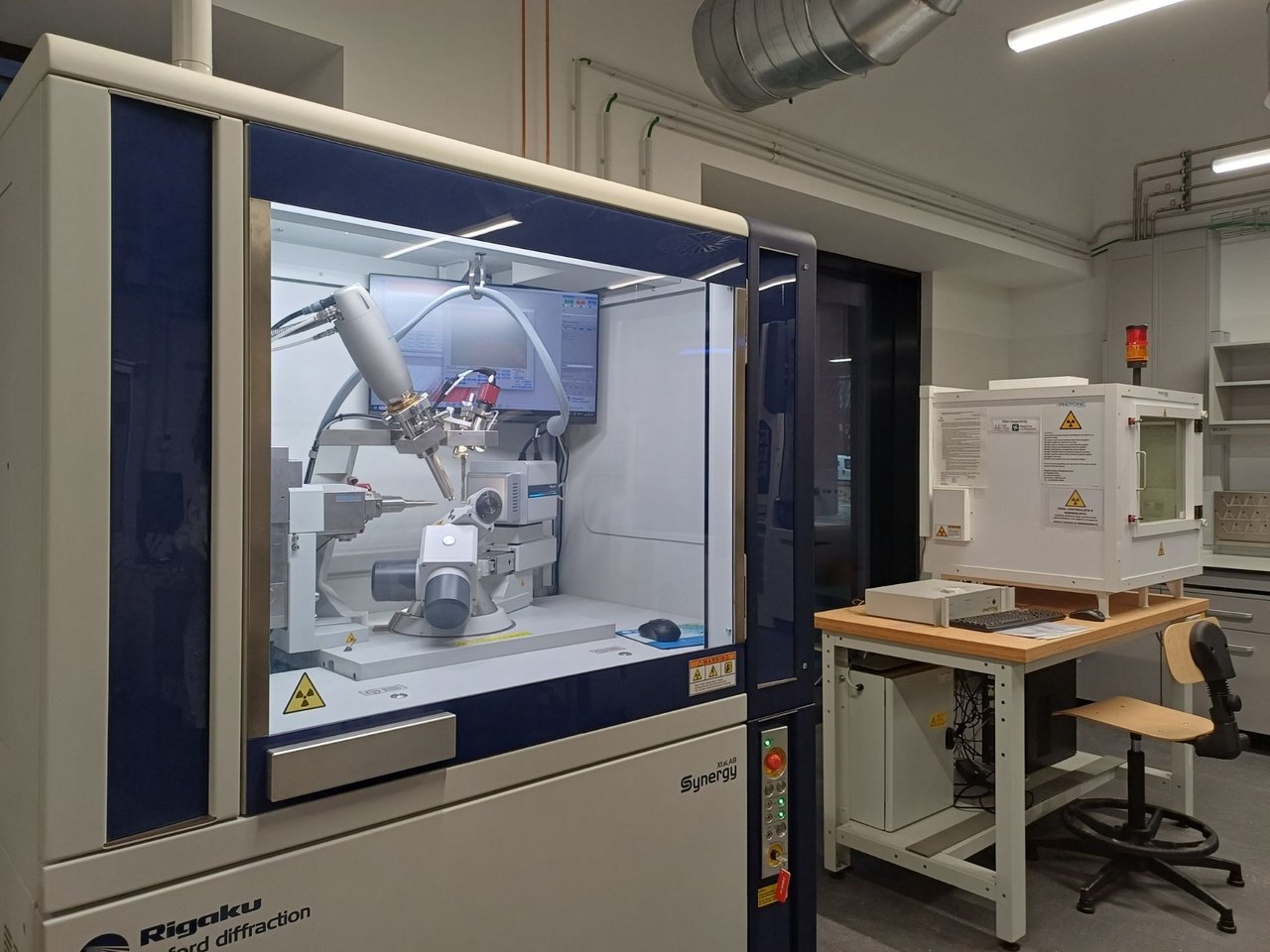
The ground floor houses several special laboratories, including the NMR – Nuclear Magnetic Resonance Laboratory and the SAMM – Laboratory for Microstructural Analysis of Materials, as well as a large teaching laboratory for students that can accommodate up to 40 fume hoods. The six floors of the building cover a total area of 16,000 square metres.
For our Department, this is a long journey that has finally come to fruition: a new modern building, state-of-the-art technological infrastructure, and above all, a proximity that brings our sites together, creating a unique, integrated ecosystem where high-quality research can be conducted in the fields of chemistry, materials, chemical engineering and biomedical engineering. A real magnet for young researchers eager to take on contemporary scientific and technological challenges, competing in the most prestigious international contexts, and for forward-thinking, cutting-edge companies seeking strategic partnerships and sustainable, advanced solutions.
Marinella Levi, director of DCMIC
Building 2 of the Department of Electronics, Computer Science and Bioengineering
The new DEIB building covers an area of approximately 3,500 square metres and was constructed as an extension of the existing Building 20 belonging to the same department. As part of the works, the ground floor of the west wing was also renovated and is now used exclusively for conferences, meetings and reception areas. The new building has four floors, with the ground floor housing a large 210-seat conference room and two computer labs. The three upper floors are occupied by a laboratory for the department's Computer Science, Electronics and Telecommunications Sections, offices and refreshment areas, as well as a large terrace.
In the new DEIB spaces, we will inaugurate modern methods of dynamic space allocation, designed to ensure more efficient use of space in line with the latest working methods, which are increasingly digital and dematerialised, flexibly alternating between physical presence and remote working. Particular attention has also been paid to the needs of the younger research staff in our Department.
Sergio Savaresi, DEIB director